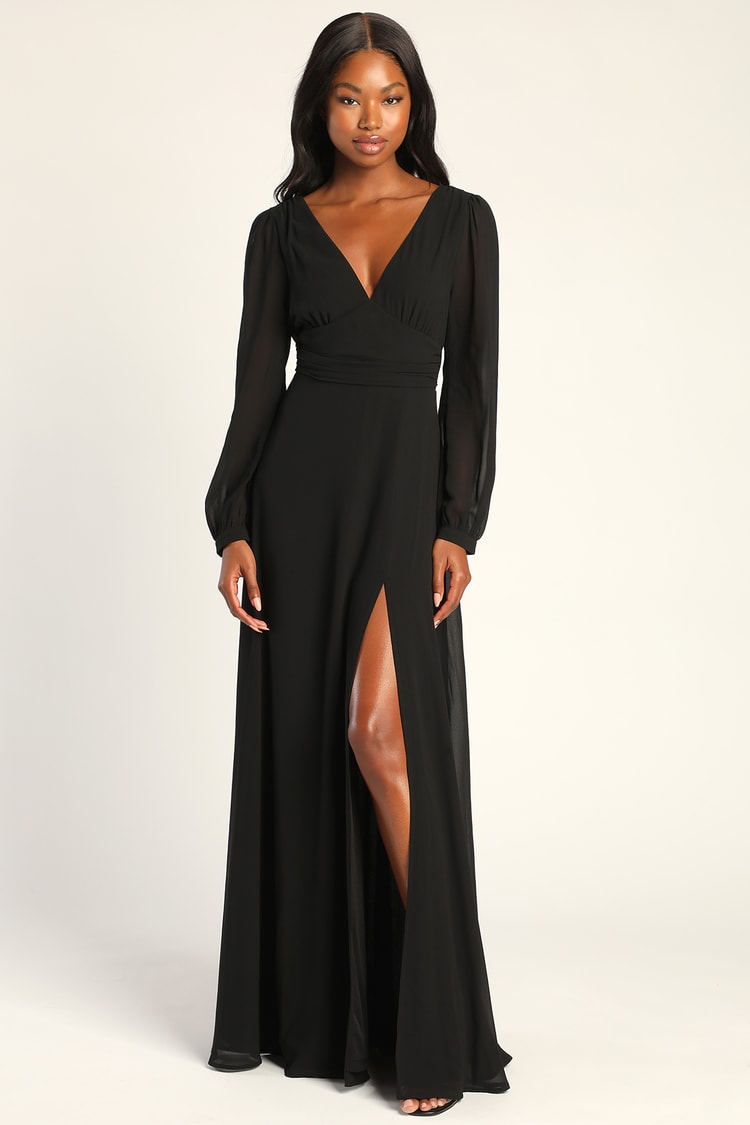
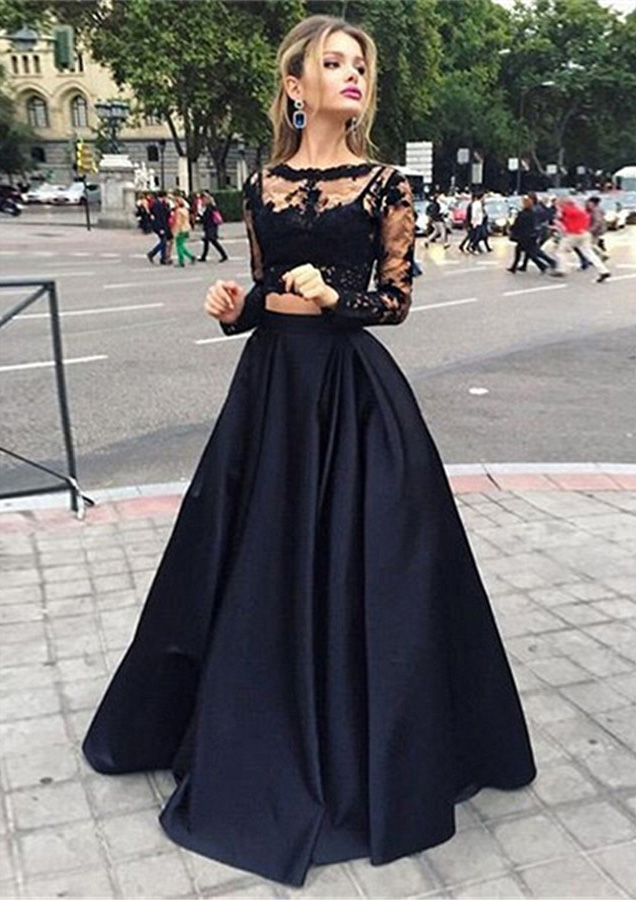
Synopsis The term empire waist refers to a style of neoclassical womens dress which shot to popularity in the early 1800s, specifically from about 1800 - 1819 in France, England and Ireland The empire waistline sits high on the form typically under the bust or just above the ribcage, emphasizing a verticality in appearance Empress Josphine Bonaparte1 led European society fashion in the early 19th century and favored the empire dress style Fine and delicate fabrics, such as light, soft cotton muslin2 and silk, were the choice textiles for empire waisted gowns
Shadows often carry a bluish quality because of light from the sky
Cascading grapes are not required but strongly recommended
For bridesmaids, while you can choose a Western-style dress for the pre- or post-wedding activities, traditional Indian culture invites guests to get the full experience, which includes donning a lehenga or saree
[9] In 1908, a new silhouette emerged from Callot Soeurs, Vionnet at the house of Doucet, and most importantly, Paul Poiret
The charm of this traditional attire lies in its versatility, making it a preferred choice for women for all kinds of occasions, from casual gatherings to grand weddings